

Meet the Maker - Erin Simons
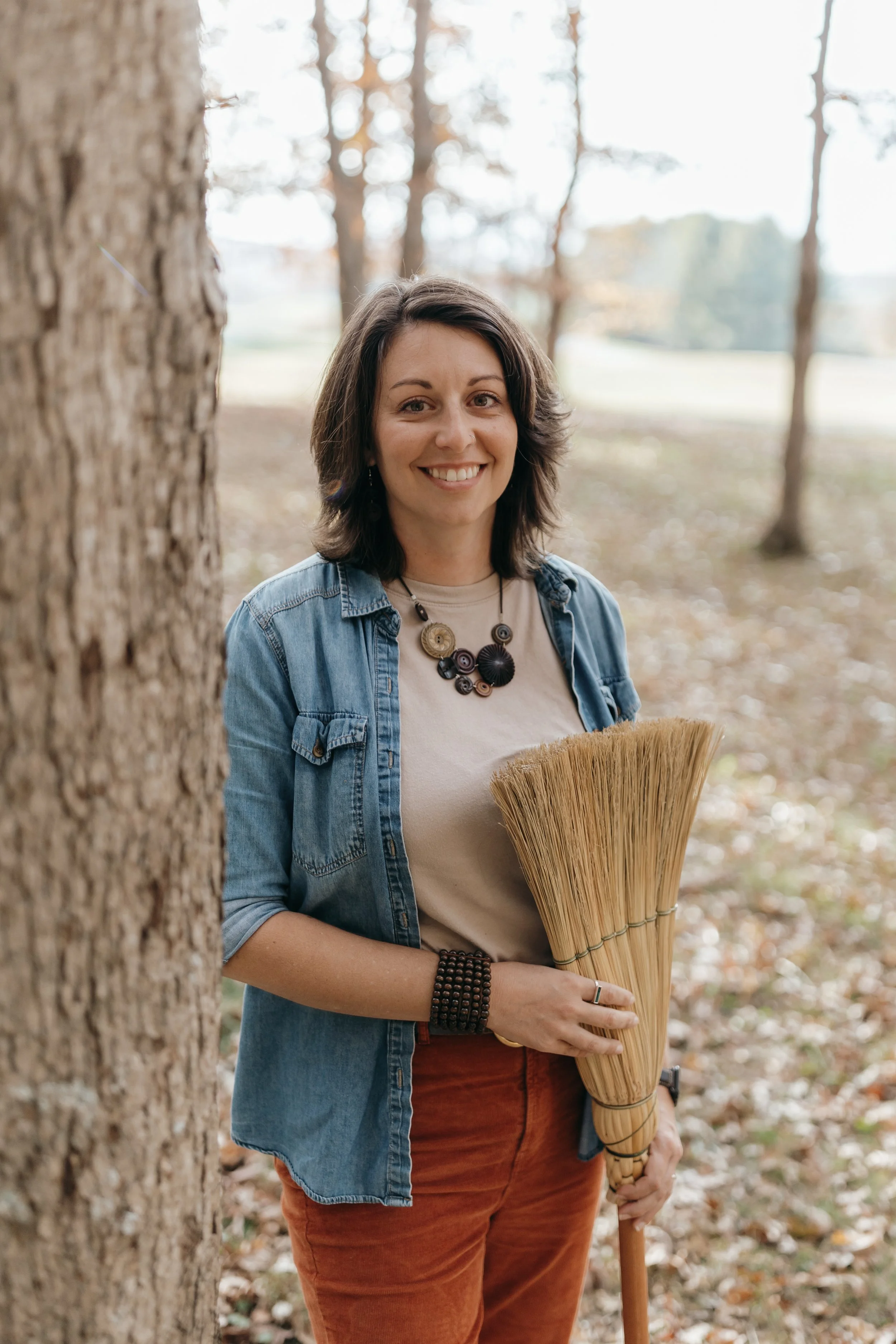
Hi, I’m Erin Simons, a traditional Appalachian broom and brush maker from Wytheville, Virginia. I find my inspiration in the history, artistry, and resourcefulness behind these humble tools.
Using harvested limbs, roots, antlers, broomcorn, and twine, I create brooms that connect me to the land and the heritage of this region. Each piece is a blend of function and beauty, honoring a tradition that has been passed down through generations.
I learned this craft from my mentor, John Alexander, and have been making brooms since 2023. I work from a new studio rebuilt after Hurricane Helene in October 2024, made possible by a grant from CERF+. Before that, I worked in an 1850s log cabin my dad built from reclaimed logs, often with my children playing nearby.
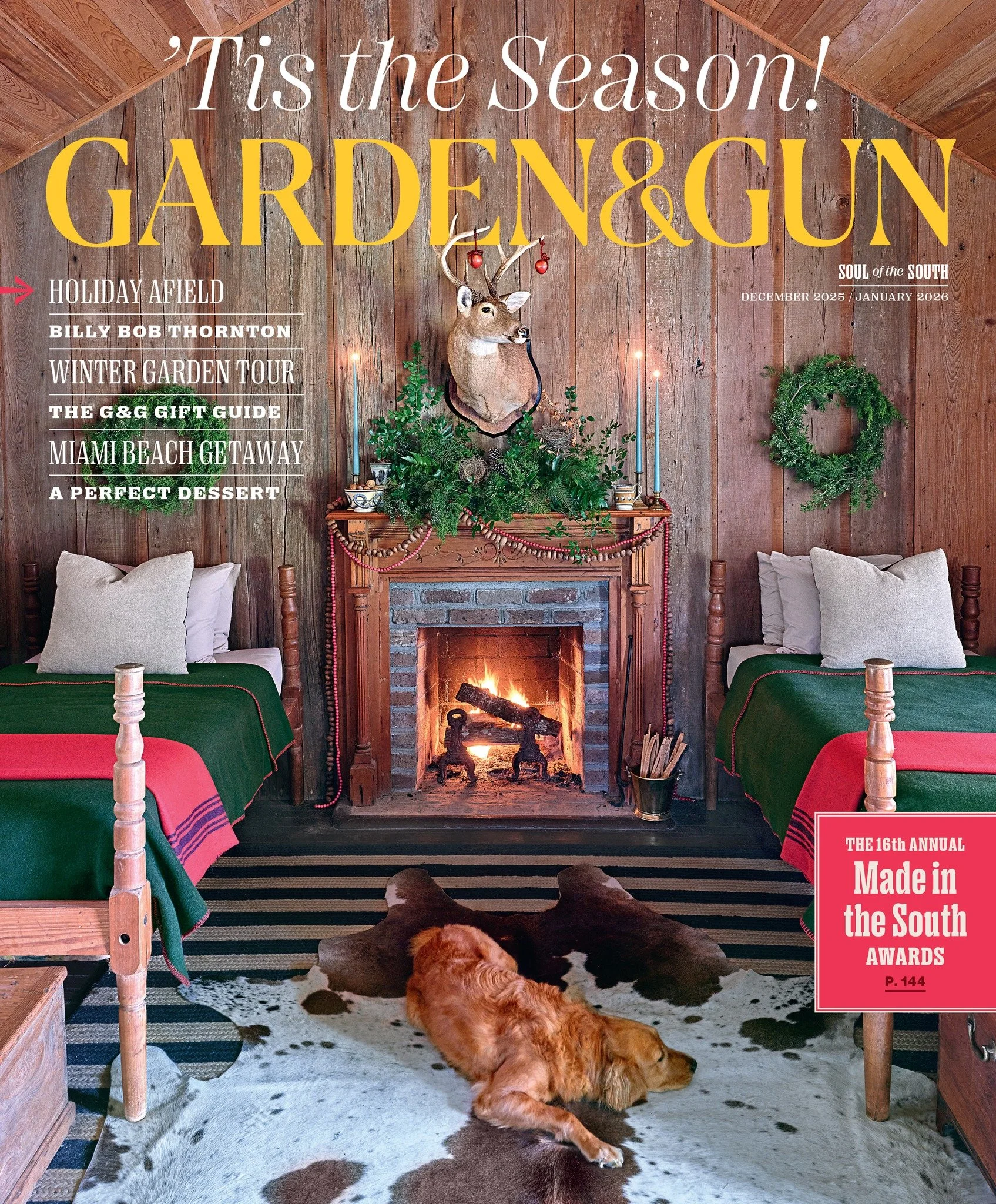
I’m honored to be a 2023 Central Appalachia Living Traditions Tradition Bearer Fellow and I completed a Virginia Humanities Apprenticeship Program in 2024. In 2025 I was named the Garden & Gun Made in the South Sustainability Award Winner and featured in their magazine.
Through my brooms, I hope to share the joy, ingenuity, and creativity of Appalachian culture and demonstrate how simple objects can be transformed into meaningful works of art.
Read.
-
![Garden & Gun Magazine]()
November 11, 2025 - Garden & Gun Made in the South Sustainability Award Winner
-
![John Alexander & Erin Simons]()
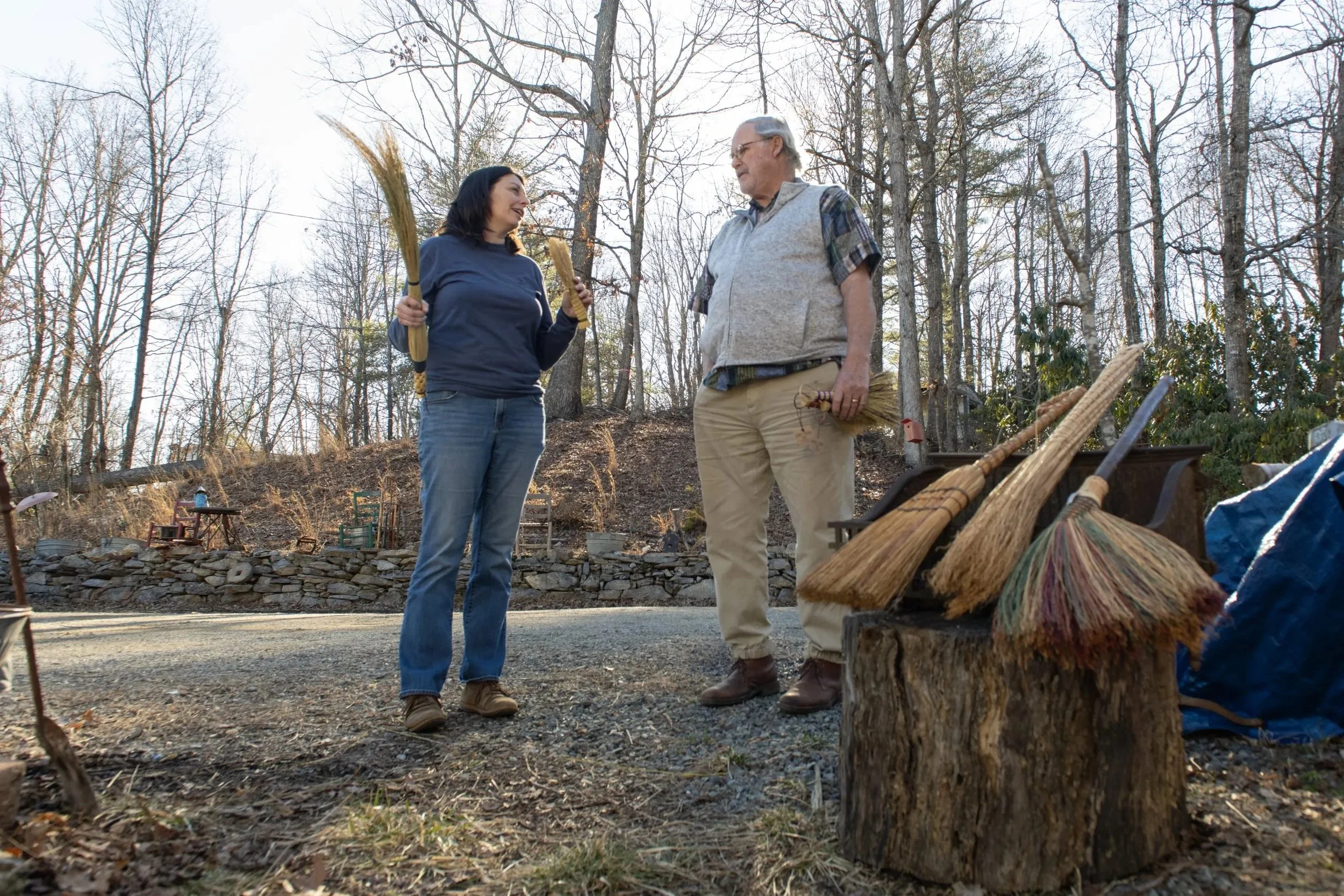
May 14, 2025 - Broom Making: John Alexander & Erin Simons
-
![Etsy-Nest Uplift Makers Program]()
March 24, 2025 - Heirloom-Quality Handcrafted Designs From the Appalachian Creatives Collective
-
![2024 VA Folklife Apprenticeship Awards]()
July 15, 2024 - Announcing the 2024 Virginia Folklife Apprenticeship Awards: Virginia Folklife Program Awards $30,000 to Six Teams
-
![SWVA Article]()
August 8, 2024 - Sweeping Success: Traditional Wythe Broom Maker to Show in Marion Gallery
-
![2023 Richmond Folklife Festival]()
October 2023 - Erin Simons to Demonstrate at Richmond Folk Festival
-
![2023 CALT Living Traditions Fellowship]()
June 1, 2023 - $52,000 in Awards Distributed to Support Folk Arts and Culture in Bristol Region



Watch.
Both John and Erin bask in the beauty and practicality of the brooms they hand craft: Whether they’re making a typical upright broom for floor sweeping or a smaller whisk, called a turkey wing for all kinds of cleaning chores, each promote the inherent function and artistry of the broom.
Listen.
The Birthplace of Country Music Museum
MuseumTalk - Episode #104 (11 - 16 - 2023) CALT Fellows Erin Simons And John Alexander
FAQs
-
Broom corn (both dyed and natural): Broomcorn (Sorghum vulgare) is not actually corn, but is instead related to the sorghums used for grain and syrup (Sorghum bicolor). Broomcorn has a coarse, fibrous seed head that has been used to make various types of brooms and brushes for several hundred years. Every part of the broom corn is used, and nothing is wasted. Broomcorn is the best fiber for broom making due to its natural ability to catch and hold dust with its wavy tips.
Tampico (Tam-pee-ko): Comes from the agave lechugilla plant, unique to northern Mexico and grows in high altitude deserts. It is flexigle enough to be bent in half and has a softer feel. This fiber is perfect for brushes.
No.18 Nylon Synthetic Twine: I mostly use synthetic twine for its pliability, range of colors, and strength.
2mm 100% Hemp Twine: Hemp twine offers several advantages over nylon twine, primarily due to its environmentally friendly nature as a biodegradable material, strong natural fibers that resist mold and mildew, good UV resistance, and being considered a more sustainable choice compared to synthetic nylon.
Gnarled and Inconsistent Hardwood Handles: These handles vary in size, shape, and type of wood, but they are all harvested by me in the woods behind the studio. Most of the wood sourced is from the many fallen Laurel that surround the property.
Found Objects and Discarded Treasures: Croquet Sticks, Canes, Deer Antlers, Golf Clubs, Musical Instruments, you name it, if it can be made into a broom handle, I am probably saving it and scheming ideas for how to attach broom corn to it.
Sanded and Turned Handles: These handles are 42" long and 1 1/18" diameter sourced from Caddy Supply Company. These are used on the full sized sweepers and small hearth brooms. The reason I choose to use these on these particular brooms is simply for the feel in your hand.
Leather: Most of the leather that I use is cowhide sourced from upholstery companies getting rid of scraps. This is just another way to repurpose and use something that otherwise would be discarded.
-
Be sure to store your sweepers upside down or hang them so that the weight is not on the bristles causing them to bend and become brittle over time.
Broom corn is a natural fiber, therefore always keep your broom dry; if the broom does get wet, make sure to hang it in a place with good air flow to allow it to dry.
Occasionally you may want to oil your sweeper handle. You can use linseed or tung oil.
In some cases, your broom may need a little wash and trim. I am happy to assist you in this process when or if the time comes.
-
What you are buying in a store is commercially made on a machine and is carelessly mass-produced and many times made with unsustainable materials.
My products are personally hand crafted by me from start to finish with a non-electric process. Most of the materials are natural and each item has its own unique qualities and nuances. I take pride in my work and try my best to make sure that it is a quality tool that can be used for many years to come.
When you purchase from me you are getting an heirloom quality, functional piece of artwork for your home.
-
Barring there are no cat or dog incidents (I have heard of dogs chewing brooms and cats using them as scratching posts)...With everyday use and proper care, your whisk and sweepers should last for many years to come.
-
All sales are final.
I stand behind & guarantee my craft. Please reach out if you have any concerns about your broom, brush, or whisk.